Washer & Dryer Repair in Reading, MA
Appliance Repair for Homes & Businesses in Reading, North Reading, Massachusetts and Nearby Areas
Washer and Dryer Repair in Reading, Massachusetts | Appliance Repair Pros
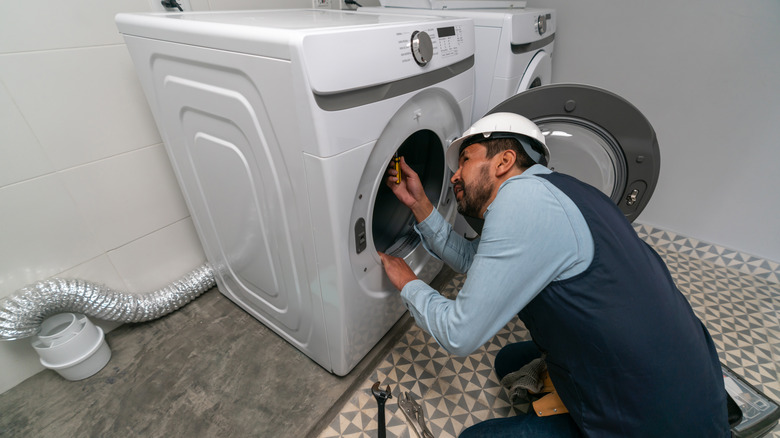
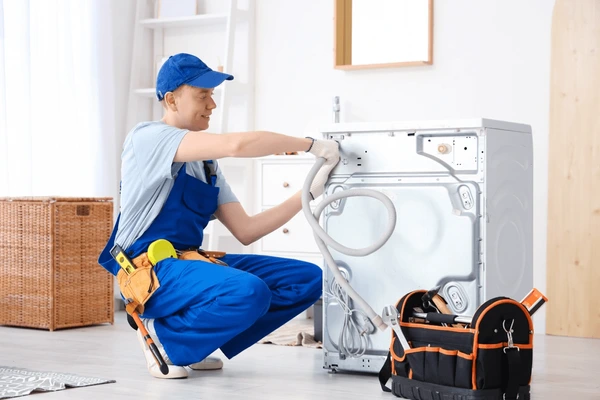
There is never a good time for a laundry appliance to break down. In a busy household the laundry pile grows relentlessly. When your washing machine refuses to spin or your dryer leaves clothes damp and cold it creates an immediate bottleneck in your weekly routine. You are forced to haul heavy baskets to a laundromat or wait days for clothes to air dry. At Appliance Repair Pros we understand the urgency of getting your laundry room back in working order. We provide professional washer and dryer repair in Reading, Massachusetts, and the surrounding communities. We help homeowners who are dealing with washers that leak water onto the floor, dryers that overheat, and units that make deafening noises. Whether you live near the center of Reading or in the neighboring areas of North Reading, Wakefield, and Lynnfield our team is ready to restore convenience to your home.
Our technicians are trained to handle the specific challenges that local homeowners face. In Reading and the surrounding towns we often encounter laundry units installed in tight closets or older basements which makes access difficult. We also see issues related to venting paths in historic homes that can restrict dryer airflow. We approach every service call with a commitment to careful diagnostics and respectful work habits. We treat your home with care and ensure we identify the root cause of the problem before we begin any repair work. From broken drive belts to complex electronic control board failures we have the expertise to fix the issue correctly. Reach out to us for assistance.
Washer and Dryer Services in Reading
Laundry appliances have evolved significantly over the last decade. They are no longer just simple motors and timers. Modern units use advanced sensors, direct drive motors, and high efficiency cycles to save water and energy. When you hire us for laundry service in Reading you are getting a team that understands both the mechanical and electronic sides of these machines. We do not just look for the obvious broken part. We assess the entire system to ensure your machine cleans effectively and operates safely.
Washer and Dryer systems we work on:
- Top load washers with agitators
- High efficiency top load washers (Impeller style)
- Front load washing machines
- Gas dryers
- Electric dryers
- Stackable laundry centers
- Compact and apartment sized units
- Ventless and condensing dryers
- Pedestal washers
What makes washer and dryer repair tricky:
- Balancing mechanisms and suspension springs
- High speed spin cycle vibration dampening
- Combustible gas safety in gas dryers
- Complex ventilation paths
- Electronic moisture sensors
- Door boot seals and watertight integrity
- Direct drive motor calibrations
- Lid lock safety switches
Common Washer and Dryer Problems We Fix
Laundry machines usually give clear signs when they are struggling. Ignoring these signs can lead to water damage, fire hazards, or total motor failure. We have categorized the most common issues we see in Reading homes to help you understand what might be going wrong.
Washer Will Not Drain or Spin
You open the lid to find your clothes floating in a pool of soapy water. Or perhaps the water has drained but the clothes are soaking wet because the spin cycle never engaged. This is the most common call we receive. It prevents you from transferring the load to the dryer and can leave clothes smelling musty.
- Clogged drain pump filter
- Broken lid switch or door latch
- Worn drive belt
- Failed drain pump motor
- Stripped motor coupling
- Malfunctioning shift actuator
- Control board failure
How we diagnose it: We listen for the sound of the pump trying to run. If it hums but does not drain it is likely jammed. We test the lid switch continuity to ensure the machine knows it is safe to spin. We also inspect the belt and motor operation.
What you can do right now: If you have a front loader check the small access door at the bottom front. There is often a coin trap filter there. Open it carefully with a towel ready to catch water and remove any debris.
Dryer Will Not Heat
The drum spins and the air blows but the clothes come out cold and wet. This defeats the purpose of the dryer completely. On electric models this is often a circuit or element issue. On gas models it involves the ignition sequence.
- Burnt out heating element (Electric)
- Tripped thermal fuse
- Weak gas valve coils (Gas)
- Failed igniter (Gas)
- Broken flame sensor
- Clogged vent causing overheating
- Incoming power issue
How we diagnose it: For electric dryers we test the resistance of the element and the continuity of all thermostats. For gas dryers we observe the burner assembly to see if the igniter glows and if the gas valve opens. We also check airflow at the external vent.
What you can do right now: Check your circuit breaker. Electric dryers run on a double breaker. Sometimes one side trips leaving the motor running but the heater off. Reset the breaker fully.
Washer Leaking Water
A puddle of water around your washing machine is a major concern for your flooring and ceiling if the laundry is on an upper floor. Leaks can be slow and steady or sudden and catastrophic. Finding the source is critical.
- Cracked drain pump housing
- Worn door boot seal (Front loaders)
- Loose or old fill hoses
- Tub seal failure
- Water inlet valve leaking
- Oversudsing from using too much soap
How we diagnose it: We remove the front or rear panels to observe the internal components while the machine fills. We look for water trails on the hoses and the pump. We also inspect the rubber door gasket for tears or trapped debris.
What you can do right now: Turn off the water supply valves behind the washer immediately. Dry the floor to prevent slipping and water damage. Do not run the machine until it is serviced.
Loud Noises or Excessive Vibration
If your washer sounds like a jet engine taking off or your dryer sounds like it is full of rocks something is physically wrong. These noises often indicate wear on the moving parts that support the drum.
- Worn tub bearings
- Broken suspension rods or springs
- Damaged shock absorbers
- Worn dryer drum rollers
- Flattened idler pulley
- Loose concrete counterweights
How we diagnose it: We manually spin the drum to feel for roughness in the bearings. We inspect the suspension system to see if a spring has detached. In dryers we check the condition of the rollers and the glides.
What you can do right now: Ensure the machine is level. If the feet are not touching the floor evenly the machine will shake violently. Also check pockets for coins or keys that might be rattling inside.
Dryer Takes Too Long to Dry
It should not take two or three cycles to dry a load of towels. If your dryer is running for hours it is wasting energy and putting unnecessary wear on your clothes. This is almost always an airflow issue.
- Clogged dryer vent duct
- Crushed transition hose behind the unit
- Lint screen blockage
- Blower wheel obstructed by lint
- Cycling thermostat failing
- Moisture sensor coated in residue
How we diagnose it: We measure the airflow at the exhaust vent. We check the temperature cycling to see if the burner is turning off too quickly. We also inspect the blower wheel for lint buildup that reduces air movement.
What you can do right now: Go outside and check the vent hood on the side of your house. Make sure the flaps open when the dryer is running and that no lint is blocking the opening.
Washer Smells Like Mildew
A washing machine should clean your clothes not make them smell worse. A persistent musty odor usually indicates mold or bacteria growth inside the machine often caused by residual soap and low temperature washes.
- Mold in the door boot seal
- Soap scum buildup in the outer tub
- Clogged drain filter holding dirty water
- Installation issues causing backflow
How we diagnose it: We inspect the hidden folds of the door gasket. We check the drain installation to ensure there is a proper air gap preventing sewer gas from entering the machine.
What you can do right now: Leave the washer door open between cycles to let the tub dry out. Run a “Clean Washer” cycle with hot water and bleach or a specialized machine cleaner.
Washer Will Not Fill With Water
You start the cycle but the machine sits silent or hums without water entering the tub. Without water the wash cannot begin.
- Failed water inlet valve
- Clogged inlet screens
- Pressure switch failure
- Electronic control board issue
- Flood protection mode activated
How we diagnose it: We check the voltage at the inlet coils to see if the computer is sending the signal to open. If there is power but no water the valve is bad. We also check the pressure tube for blockages.
What you can do right now: Check that the water faucets behind the washer are turned on fully. Sometimes they get bumped or turned off accidentally. Also check if the hoses are kinked.
Machine Will Not Start
Dead silence when you press the start button is frustrating. This electrical issue can range from a simple power loss to a major computer failure.
- Tripped circuit breaker
- Broken door strike or latch
- Thermal fuse blown
- Main control board failure
- User interface / start button failure
- Child lock engaged
How we diagnose it: We verify power at the outlet. We test the door switch continuity. On dryers we check the thermal fuse which is a common safety part that kills power if the unit gets too hot.
What you can do right now: Check if the “Control Lock” light is on. Many modern machines have a child lock feature that disables the buttons. Hold the lock button for 3 seconds to disengage it.
Safety Notes for Washer and Dryer Issues
Washer and dryer repair involves a mix of heavy moving parts, high voltage electricity, water, and gas. This combination creates specific hazards. While we are trained to work safely homeowners should be aware of when to stop using a machine.
If you see these safety events do this first:
- Burning smell from dryer: This is a major fire risk. It often means lint is burning inside the heater housing. Turn the machine off and do not use it until the interior has been cleaned.
- Active water leak: If water is spraying or pooling rapidly turn off the water valves behind the washer. If you cannot reach them shut off the main water to the house.
- Electrical shock: If you feel a tingle when touching the machine unplug it immediately if safe to do so. This indicates a grounding failure.
- Gas smell near dryer: Leave the area immediately. Call the gas company from outside. Do not toggle light switches or use phones near the leak.
Brands We Service for Washer and Dryer Repair in Reading
We service all major laundry brands found in American homes. From the classic top loaders that run for decades to the newest smart appliances with Wi-Fi connectivity we have the technical resources to repair them.
Whirlpool family and similar designs (Whirlpool, Maytag, KitchenAid, Amana)
These are the most common machines we see. They are generally robust and parts are easy to source. We frequently replace lid switches, drive dogs, and shift actuators on their top loaders. Their dryers are known for reliability but often need thermal fuse replacements.
Common issues we see with these models:
- Lid lock lights flashing
- Dryer rollers making a rumbling noise
- Washer not shifting from agitate to spin
- F01 control board errors
Why correct diagnosis matters: Whirlpool top loaders use a specific calibration mode. After changing parts the machine must be recalibrated to sense the load size correctly. We know the sequence to perform this.
Samsung and LG
These brands dominate the front load market. They offer huge capacity and advanced features but are mechanically complex. They use direct drive motors which eliminate belts but require precise control board signals.
Common issues we see with these models:
- Drain pump failures (OE or 5E codes)
- Unbalanced load errors (UE or Ub)
- Heating element failures in dryers
- Door boot seal leaks
- Main PCB solder joint failures
Why correct diagnosis matters: These machines rely heavily on sensors. A “motor error” might actually be a broken wire in the harness. We trace the signals to avoid replacing expensive motors unnecessarily.
GE family (GE, Hotpoint, and related lines)
GE washers and dryers are known for their specific designs. Their newer top loaders have a unique drive system. Their dryers often use a longer heating element coil that can ground out if the housing is moved roughly.
Common issues we see with these models:
- Inverter board failures
- Lid switch magnets falling out
- Dryer knob shafts cracking
- Speed sensor failures
Why correct diagnosis matters: GE units have a service mode accessible via the knob. We use this to test individual components like the water valves and pumps without running a full cycle.
Speed Queen
Speed Queen is known for commercial grade durability. They use heavy duty metal parts. Repairs on these are usually mechanical rather than electronic. We see fewer of them but when they break it is usually a belt or a timer issue.
Common issues we see with these models:
- Drive belt wear
- Timer motor stalling
- Water level pressure switch issues
- Pump belt failure
Why correct diagnosis matters: Speed Queen owners expect their machines to last 20 years. We use genuine parts to maintain that durability.
Electrolux and Frigidaire
Electrolux makes high end front loaders often found in second floor laundry rooms due to their vibration control. Frigidaire laundry centers are common in apartments and condos. We are experienced with their stacked configurations.
Common issues we see with these models:
- Door latch alignment issues
- Bellows (gasket) tearing
- Dryer heater coil breaks
- Drain pump obstructions
Why correct diagnosis matters: Accessing components in a stacked laundry center requires a specific disassembly process. We know how to take them apart safely without damaging your closet walls.
Common Warning Signs and What They Usually Mean
Modern washers and dryers use error codes to communicate. While you should check your manual these general codes help us understand the problem before we arrive.
- Drain Codes (OE, F21, 5E, ld): The machine is taking too long to empty. Usually a clog or bad pump.
- Fill Codes (IE, F20, 4E, LF): Water is not entering fast enough. Could be screens or valves.
- Balance Codes (UE, uL, Ub): The load is uneven or the suspension is shot.
- Door Codes (dE, dL, F22): The computer thinks the door is open.
- Heater Codes (HE, tE, F30): The dryer or washer is not reaching temperature.
- Motor Codes (LE, 3E, F50): The drum is not turning or the sensor signal is lost.
Maintenance Tips for Washer and Dryer Owners in Reading
Preventative maintenance is the best way to avoid emergency calls. Taking care of your laundry appliances extends their lifespan and keeps them efficient.
- Clean the dryer vent annually: This is the most critical safety tip. A clogged vent is a fire hazard and kills dryer efficiency. Hire a pro or use a cleaning kit to clear the duct to the outside.
- Replace rubber hoses: If your washer hoses are over 5 years old replace them with steel braided hoses. Rubber hoses can burst and flood your home.
- Clean the lint trap every load: Do not let lint build up. It restricts airflow and causes the heater to overwork.
- Leave the washer door ajar: After every wash leave the door or lid open to let the interior dry. This prevents mold and odors.
- Use HE detergent: If you have a High Efficiency machine use HE soap. Using regular soap creates too many suds which can confuse the electronics and damage the pump.
- Check pockets: Coins, screws, and nails can destroy a drain pump or shatter a glass door. Empty all pockets before washing.
- Wipe the door seal: On front loaders wipe the rubber gasket dry after use to prevent slime buildup.
- Level the machine: Ensure all four feet are touching the floor firmly. Use a level to check. This reduces vibration and wear on the suspension.
Service Area for Washer and Dryer Repair in and Around Reading, Massachusetts
We are proud to provide local service to homeowners throughout Reading and the immediate surrounding communities. We understand the local area from the quiet residential streets to the busy condos near the highway. We travel to you fully equipped to handle your repair needs.
We serve the following nearby areas:
- Reading
- North Reading
- Wakefield
- Lynnfield
- Stoneham
- Woburn
- Wilmington
- Andover
- Saugus
Zip codes we serve: 01867, 01864
Frequently Asked Questions
Why is my dryer getting hot but not drying the clothes?
This is the classic symptom of poor airflow. The dryer produces heat but if the moist air cannot escape through the vent the moisture stays in the clothes. The drum gets very hot but the clothes just steam. Check your lint screen and the vent duct leading outside. If they are clear the blower wheel inside the dryer might be clogged or stripped.
Is it worth repairing a washing machine that is 10 years old?
It depends on the issue. If it is a simple repair like a lid switch or a pump it is often worth it. Older top loaders are very durable. However if the transmission or main motor has failed on a 10 year old machine replacement might be more cost effective. We can evaluate the machine and give you an honest opinion based on its overall condition.
Why is my washer walking across the floor?
A washer that shakes violently or moves is usually unlevel or has an unbalanced load. First check that all leveling legs are locked in place. If the machine is level the suspension rods or shock absorbers might be worn out. On front loaders heavy loads like bedding can cause this if not distributed properly.
What causes a washer to smell like sewage?
This can happen if the drain hose is installed incorrectly. If the hose is pushed too far down into the standpipe or if there is no P-trap sewer gas can siphon back into the machine. It can also be caused by severe mold buildup in the outer tub from using too much soap and cold water washes.
Can you repair stacked washer dryer units?
Yes we specialize in stacked laundry centers and stackable full size units. These can be difficult to access especially in closets. Our technicians are experienced in safely moving and servicing these units in tight spaces to reach the internal components.
My dryer is making a loud screeching noise. Is it safe to run?
You should stop using it. A screeching noise is metal on metal contact. It usually means an idler pulley has seized or a drum bearing is completely worn through. Running it like this can damage the drum or the motor shaft turning a routine repair into a major expense.
Do you offer washer repair near me in Reading?
Yes we are a local service provider covering Reading and the surrounding towns. We are likely already in your neighborhood servicing other homes. Being local allows us to respond efficiently to your needs.
Why does my washer fill with water even when it is off?
This indicates a failed water inlet valve. The solenoid that closes the valve has likely failed mechanically or debris is keeping it propped open. This is a flood risk. You should turn off the water supply faucets behind the machine immediately and contact us for a replacement.
How long does a typical repair take?
Most washer and dryer repairs are completed in one visit. We carry a wide stock of common parts like belts, pumps, switches, and fuses. If we need to order a specific control board or motor we will expedite the shipping and return to finish the job as soon as the part arrives.
Why is my washing machine tearing my clothes?
Small holes in clothes can be caused by a few things. In top loaders a chipped agitator can snag fabric. In front loaders a rough spot on the stainless steel drum or a damaged door seal can catch items. Overloading the machine can also force clothes into the gap between the drum and the door seal causing friction burns.
Conclusion
A broken washer or dryer disrupts your routine and creates an immediate headache. At Appliance Repair Pros we are dedicated to solving these problems efficiently for homeowners in Reading, North Reading, and the surrounding areas. We combine local knowledge with technical expertise to provide repairs you can trust. Whether you have a drainage issue, a heating failure, or a noisy drum we have the tools to fix it. Reach out to us for assistance.