Expert Dishwasher Repair in Reading, MA
Appliance Repair for Homes & Businesses in Reading, North Reading, Massachusetts and Nearby Areas
Dishwasher Repair in Reading, Massachusetts | Appliance Repair Pros
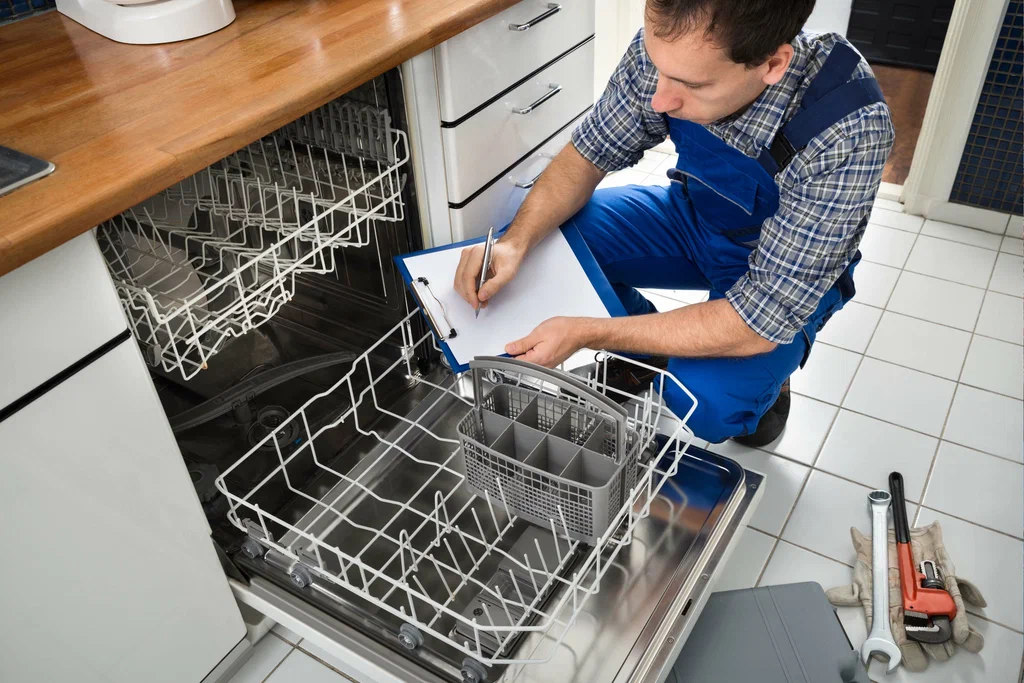
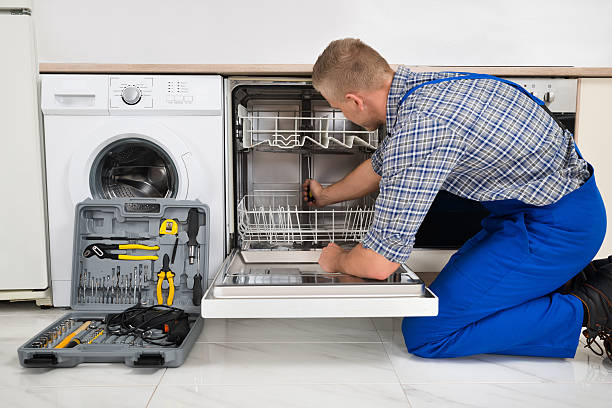
A broken dishwasher is more than just a minor inconvenience. It represents a significant disruption to your evening routine and kitchen cleanliness. Instead of relaxing after a meal you find yourself standing at the sink scrubbing plates and silverware by hand. At Appliance Repair Pros we understand how frustrating it is when this essential appliance stops working. We provide professional dishwasher repair in Reading, Massachusetts, and the surrounding communities. We help homeowners who are dealing with units that will not start, machines that fail to drain, and cycles that leave dishes covered in food residue. Whether you live near the center of Reading or in the neighboring areas of North Reading, Wakefield, and Lynnfield, our team is ready to restore order to your kitchen.
Our technicians are trained to handle the specific challenges that local homeowners face. In Reading we often encounter issues related to hard water mineral buildup affecting spray arms or older plumbing connections in historic homes that impact water pressure. We approach every service call with a commitment to careful diagnostics and respectful work habits. We treat your home with care and ensure we identify the root cause of the problem before we begin any repair work. From leaking doors to strange grinding noises we have the expertise to fix the issue correctly. Reach out to us for assistance.
Dishwasher Repair Services in Reading
Modern dishwashers are complex machines that rely on a precise coordination of water temperature, water pressure, and detergent chemistry. When you hire us for dishwasher service in Reading you are getting a team that understands both the mechanical and electronic sides of these appliances. We do not just look for the obvious broken part. We assess the entire system to ensure your machine cleans effectively and operates safely.
Dishwasher systems we work on:
- Built in under counter units
- Portable and rolling dishwashers
- Drawer style dishwashers
- Integrated panel ready models that match cabinetry
- Stainless steel tub units
- Plastic tub units
- Top control and front control designs
- Compact and apartment sized models
What makes dishwasher repair tricky:
- Electronic control boards and user interface logic
- Circulation pumps and diverter motors
- Water inlet valves and flow meters
- Turbidity sensors that measure soil levels
- Condensation drying systems versus heating elements
- Door latch assemblies and safety interlocks
- Drainage pumps and check valves
Common Dishwasher Problems We Fix
Dishwashers usually give clear signs when they are struggling. Ignoring these signs can lead to water damage or total motor failure. We have categorized the most common issues we see in Reading homes to help you understand what might be going wrong.
Dishes Coming Out Dirty or Gritty
This is the most common complaint we hear. You run a full cycle but the plates still have food stuck to them or the glasses feel sandy. This defeats the purpose of the machine and forces you to rewash everything by hand. It often happens because water is not reaching every corner of the tub or the food particles are being redeposited onto the clean dishes.
- Clogged spray arm holes blocked by debris
- Worn out chopper blade or macerator
- Failed circulation pump motor
- Broken detergent dispenser door
- Clogged filters preventing proper water flow
- Low water temperature entering the machine
How we diagnose it: We inspect the spray arms for blockage and freedom of movement. We also check the filter assembly and run a diagnostic cycle to listen for the circulation pump speed. We verify water temperature to ensure it is hot enough to dissolve detergent.
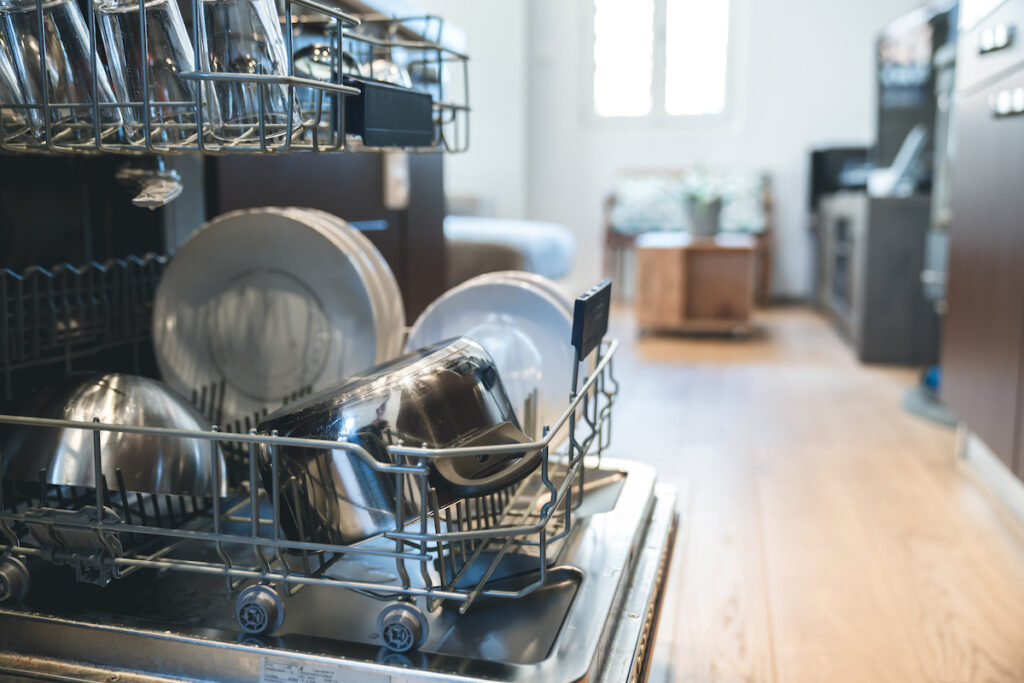
What you can do right now: Remove the bottom rack and check the filter at the base of the tub. If it is covered in debris clean it out under running water. Also ensure you are using fresh detergent.
Dishwasher Not Draining Standing Water
Opening the door to find a pool of murky water at the bottom of the tub is unpleasant. Standing water can create odors and lead to bacterial growth. If the water does not exit the machine after the cycle ends it indicates a blockage or a failure in the drain system. This is a priority repair to prevent potential overflows.
- Blocked drain hose or kinked line
- Failed drain pump
- Clogged air gap on the sink
- Obstructed garbage disposal connection
- Broken check valve allowing backflow
- Debris lodged in the pump impeller
How we diagnose it: We trace the drain path from the sump assembly to the sink connection. We listen for the hum of the drain pump and test its voltage. We also physically check for foreign objects like glass shards or bones that might be jamming the impeller.
What you can do right now: Check your kitchen sink drain to ensure it is not clogged. If you have an air gap cylinder on the sink counter check if water is spurting out of it. Do not force the cycle to run again if water remains.
Leaking Water Onto the Floor
A leaking dishwasher is a serious risk to your kitchen flooring and cabinetry. The leak might be a slow drip that causes wood rot over time or a sudden puddle that appears during a wash cycle. Identifying the exact source of the leak requires patience and a systematic approach.
- Worn or torn door gasket seal
- Loose hose connections
- Cracked water inlet valve
- Leaking pump seal
- Corroded tub
- Improper door alignment
- Using the wrong type of soap causing suds
How we diagnose it: We remove the bottom kick plate to observe the underside of the unit while it runs. We use dry towels to pinpoint exactly where the moisture initiates. We also inspect the door seal for rips or mineral deposits that prevent a tight closure.
What you can do right now: Stop the machine immediately. If there is a lot of water turn off the water supply valve usually located under the sink. Dry the floor to prevent slipping.
Dishwasher Will Not Start or Has No Power
You load the dishes and press the start button but nothing happens. The lights might be off completely or the panel might beep without engaging. This electrical issue can be caused by simple power interruptions or internal component failure.
- Tripped circuit breaker
- Blown thermal fuse
- Defective door latch switch
- Faulty user interface or control board
- Loose wiring connections
- Child lock feature accidentally engaged
How we diagnose it: We use a multimeter to verify power is reaching the unit. We test the continuity of the door switch to ensure the machine knows the door is closed. We also check the thermal fuse which is a safety device designed to cut power if the unit overheats.
What you can do right now: Check your home electrical panel to see if the breaker has tripped. Try to reset the breaker. Check if the Control Lock light is on and try holding the button to unlock it.
Cycle Runs Too Long or gets Stuck
If your dishwasher runs for four hours or gets stuck on the washing phase it indicates a sensor or heating problem. The machine often waits for specific conditions like water temperature to be met before advancing. If those conditions are not met it will wash indefinitely.
- Failed heating element
- Malfunctioning thermostat or thermistor
- Timer motor failure on older models
- Corrupted main control board
- Sensor covered in hard water buildup
How we diagnose it: We check the resistance of the heating element and the temperature sensor. We also monitor the cycle progression to see exactly where it stalls. This tells us which part of the logic sequence is failing.
What you can do right now: Run the hot water at your kitchen sink before starting the dishwasher. This ensures hot water enters the unit immediately which can help if the internal heater is struggling.
Dishes Not Drying Properly
Opening the dishwasher to find dripping wet plates is frustrating. Modern energy standards have changed how dishwashers dry. Many use condensation drying rather than a high heat coil. However if the dishes are soaking wet there is likely a component failure.
- Vent fan failure
- Heating element burned out
- Rinse aid dispenser empty or broken
- Thermostat limiting the final rinse temperature
- Loading issues preventing drainage
How we diagnose it: We test the continuity of the heating element and the operation of the vent fan assembly. We also check the rinse aid dispenser to ensure it is releasing fluid at the right time.
What you can do right now: Ensure you are using rinse aid. It is essential for modern drying systems. Open the door slightly right after the cycle ends to let steam escape.
Loud or Strange Noises
Dishwashers should hum quietly. If you hear grinding, thumping, or high pitched squealing it means something is physically wrong. These noises often get worse over time and can lead to total motor seizure.
- Hard object stuck in the chopper blade
- Worn wash pump bearings
- Spray arm hitting a tall dish
- Drain pump debris
- Loose mounting brackets causing vibration
How we diagnose it: We listen to the type of sound and when it occurs in the cycle. A grinding sound during draining points to the drain pump. A drone during the wash cycle points to the circulation pump. We inspect the wash arms for clearance.
What you can do right now: Check that no tall items like cookie sheets are blocking the spray arm rotation. Check the bottom of the tub for loose utensils or bones.
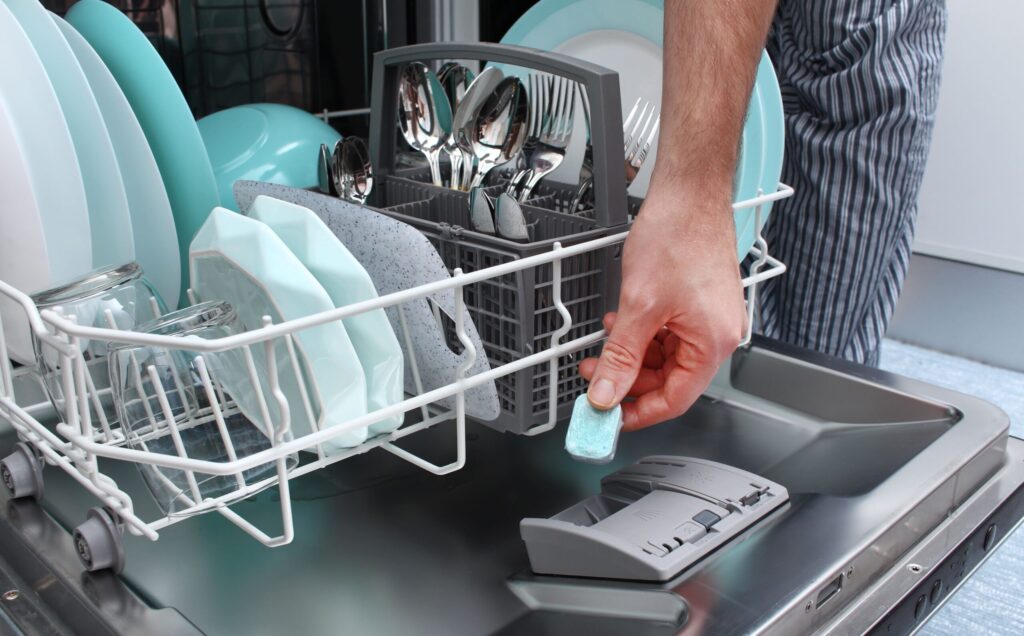
Soap Dispenser Not Opening
If you find the detergent pod still intact or the powder caked in the cup after the cycle the soap is not being released. Without soap the dishes are just being rinsed with hot water.
- Broken dispenser spring or latch
- Wax motor failure
- Dish rack blocking the dispenser door
- Buildup of old detergent in the cup
- Timer or control board not sending the signal
How we diagnose it: We test the mechanism that triggers the door opening. We also inspect the cleanliness of the dispenser assembly to ensure it can slide or flip open freely.
What you can do right now: Make sure tall plates or cutlery in the lower rack are not positioned right in front of the dispenser door. Clean out any sticky residue from the cup.
Safety Notes for Dishwasher Issues
Dishwashers are unique because they mix electricity with water which creates inherent safety risks if a malfunction occurs. While some issues are just annoying others require immediate attention to prevent injury or property damage.
If you see these safety events do this first:
- Active water leak: If water is actively pouring out turn off the water supply valve under the sink or in the basement immediately. Do not step in standing water if the appliance is running.
- Burning smell or smoke: Turn off the circuit breaker for the dishwasher at your main electrical panel. Do not open the door immediately as oxygen could fuel a small fire inside.
- Electrical shock: If you feel a tingle when touching the metal door or tub stop using the machine instantly. This indicates a serious grounding issue.
- Continual filling: If the machine fills with water even when off shut off the water supply. The inlet valve is likely stuck open mechanically.
Brands We Service for Dishwasher Repair in Reading
We see a wide variety of dishwasher brands in Reading homes. From high end quiet models in renovated kitchens to sturdy workhorses in older homes we have the experience to repair them all. Each manufacturer uses different engineering for water filtration and drying.
Whirlpool family and similar designs (Whirlpool, Maytag, KitchenAid, Amana)
These are some of the most common units we service. They are generally reliable but often have issues with the food chopper assembly or the diverter motor that directs water to the upper rack. KitchenAid models often feature advanced filtration systems that require specific cleaning methods.
Common issues we see with these models:
- Upper rack adjuster parts breaking
- Diverter motor seal leaks
- Control board thermal fuse failures
- Clean light flashing error codes
- Circulation pump motor noise
Why correct diagnosis matters: These brands share many parts but have different programming. Identifying whether a wash issue is caused by the motor or the diverter valve is key to a cost effective repair.
GE family (GE, Hotpoint, and related lines)
GE dishwashers are known for their hard food disposers and high heat drying. They are powerful but can be prone to specific electrical failures and pump issues. The newer models have very specific sensor requirements to run efficiently.
Common issues we see with these models:
- Electronic control board failures
- Door latch sensor alignment issues
- Leakage from the diverter assembly
- Heating element blistering
- Drain solenoid failures on older units
Why correct diagnosis matters: GE units often have complex wiring harnesses under the tub. A technician must know how to trace these circuits to distinguish between a bad board and a bad wire.
Samsung and LG
These brands emphasize technology and quiet operation. Samsung often uses a “water wall” or linear wash system while LG uses direct drive motors. These unique designs require a technician who keeps up with the latest service bulletins.
Common issues we see with these models:
- Leakage sensors tripping erroneously
- Water wall reflector getting stuck
- Drain pump errors (OE or 5E codes)
- Door latch failures preventing startup
- Main PCB failures
Why correct diagnosis matters: These units rely heavily on digital sensors. Misinterpreting a sensor error code can lead to replacing expensive parts that are actually working fine.
Frigidaire and Electrolux
These units are often found in new construction and renovations. They typically use a passive drying system and have specific spray arm configurations. We frequently work on their heating systems and pump assemblies.
Common issues we see with these models:
- Heating element burning through the tub floor
- Spray arm support breakage
- Circulation pump leaks
- Touchpad ribbon cable corrosion
Why correct diagnosis matters: The heating element installation in these units is critical. Incorrect installation can lead to severe leaks. We know how to handle these specific heaters safely.
Bosch and Thermador
Bosch is very popular in Reading due to its quiet operation and reliability. They do not use a hard food grinder which means filter maintenance is essential. They also use condensation drying which relies on the stainless steel tub retaining heat.
Common issues we see with these models:
- Water inlet valve failures (E15 code)
- Drain pump blockages (E24 or E25 code)
- Control module failures
- Door spring tension issues
Why correct diagnosis matters: Bosch dishwashers have a unique base pan sensor system that detects leaks. If this sensor trips the machine will not run. We know how to locate the tiny leaks that trigger this safety feature.
Understanding Common Dishwasher Error Codes
Modern dishwashers communicate through error codes. While the exact code varies by brand the underlying message usually falls into a few categories. These codes are helpful clues but they are rarely the final answer. Testing is always required to confirm the root cause.
- Drain Errors (like OE, 5E, E24, E25): These indicate the machine cannot empty the water. It could be a clog, a bad pump, or a sensor issue.
- Fill Errors (like IE, 4E, E15): These suggest the machine is not getting enough water or is detecting a leak in the base.
- Heater Errors (like HE, TE, E09): The water is not reaching the target temperature. This usually points to a bad heater or thermostat.
- Door Errors (like dE, DE1): The computer thinks the door is open. It usually means the latch or switch is defective.
- Communication Errors (like LE, CE): These often point to wiring issues between the main board and the motor or user interface.
- Leak Detected (like LC, E15): The safety float in the bottom pan has activated. This shuts down the water inlet to prevent flooding.
Maintenance Tips for Dishwasher Owners in Reading
You can extend the life of your dishwasher and improve its cleaning performance with regular maintenance. Given that many homes in Reading deal with hard water issues these steps are even more critical to prevent mineral buildup.
- Clean the filter weekly: Most modern units have a manual filter at the bottom. Twist it out and rinse it under the sink. A clogged filter is the number one cause of dirty dishes and odors.
- Use Rinse Aid: This is not optional for modern Energy Star dishwashers. It breaks the surface tension of water allowing dishes to dry and preventing spots.
- Run the hot water first: Before starting a cycle run the kitchen faucet until the water is hot. This prevents the first fill of the dishwasher from being cold which helps detergent dissolve.
- Inspect spray arms: Check the holes in the spray arms occasionally. If they are clogged with seeds or hard water deposits use a toothpick to clear them.
- Clean the door seal: Wipe down the rubber gasket around the door with a damp cloth. Sticky food residue can compromise the seal and cause leaks.
- Run a cleaning cycle: Once a month run the machine empty with a dishwasher cleaner or a cup of vinegar to break down grease and lime scale.
- Do not pre wash excessively: Modern enzymes in detergent need food soil to work. Scrape off the big chunks but do not scrub the plates clean before loading.
- Check the rack wheels: If the rack feels wobbly check the plastic wheels. Replacing a broken wheel early prevents the rack from rusting or damaging the door.
Service Area for Dishwasher Repair in and Around Reading, Massachusetts
We are proud to provide local service to homeowners throughout Reading and the immediate surrounding communities. We understand the local area from the neighborhoods near Route 28 to the homes bordering Lake Quannapowitt. We travel to you fully equipped to handle your repair needs.
We serve the following nearby areas:
- Reading
- North Reading
- Wakefield
- Lynnfield
- Stoneham
- Woburn
- Wilmington
- Andover
- Saugus
Zip codes we serve: 01867, 01864
Frequently Asked Questions
Why is my dishwasher leaving a white film on glasses?
This is usually caused by hard water minerals settling on the glass. Reading area water can sometimes leave these deposits. To fix this try using a high quality rinse aid and ensure your water is hot enough. You may also need to clean your filter. If the problem persists it could indicate a failing water inlet valve that is not allowing enough water into the tub to rinse away the soap.
Is it worth repairing a dishwasher that is over 10 years old?
It depends on the brand and the issue. High end models like Bosch or Miele are often built to last 15 to 20 years and are worth fixing. However if a standard unit is over 10 years old and requires a major component like a motor or main control board replacement it might be more practical to replace it. We can assess the condition of your unit and give you an honest recommendation.
How long does a typical dishwasher repair appointment take?
Most repairs are completed within one to two hours. Our goal is to diagnose the issue quickly and perform the repair in a single visit whenever possible. We carry many common parts in our vehicles. If a special part is needed we will secure it and return to finish the job as soon as possible.
Why does my dishwasher smell bad?
Odors are usually caused by trapped food particles or standing water. Check the filter at the bottom of the tub and clean it thoroughly. Also check for a kink in the drain hose that might be trapping dirty water. Running a cleaning cycle with a commercial dishwasher cleaner or vinegar can also help eliminate bacteria causing the smell.
Can you fix a dishwasher that is leaking from the door?
Yes we can. Door leaks are often caused by a worn gasket, a loose door hinge, or even the dishwasher not being level. Sometimes it is as simple as a lower rack that is positioned incorrectly. We will inspect the door seal and alignment to stop the leak and protect your floor.
Do I need to pull the dishwasher out before you arrive?
No please do not try to move the appliance yourself. Dishwashers are connected to plumbing and electrical lines that can be damaged if pulled out incorrectly. Our technicians know how to safely uninstall and move the unit to access the components. We will handle the heavy lifting.
Do you offer dishwasher repair near me in Reading?
Yes we are a local service provider covering Reading and the surrounding towns. We are likely already in your neighborhood servicing other homes. Being local allows us to respond efficiently to your needs.
What causes a dishwasher to be noisy?
Noise usually comes from moving parts. A grinding noise often means debris like a popcorn kernel or glass is stuck in the chopper or pump. A squealing noise can indicate a worn bearing in the wash or drain pump. If the noise is rhythmic it might be a spray arm hitting a dish. We can isolate the sound to identify the failing part.
My dishwasher shows an error code. What should I do?
Write down the code or take a picture of it. The code gives us a head start on diagnosing the problem. However do not assume the code tells the whole story. It points us in the right direction but we still need to test components to verify exactly what failed. Contact us today so we can interpret the code and fix the issue.
Why is there water in the bottom of my dishwasher after the cycle?
A small amount of water in the sump area is normal to keep seals moist but water covering the filter mesh is not. This usually indicates a drain issue. It could be a clogged sink drain, a blocked air gap, a kinked hose, or a failing drain pump. We can quickly determine why the water is not exiting the machine.
Conclusion
A broken dishwasher disrupts the flow of your kitchen and adds unnecessary work to your day. At Appliance Repair Pros we are dedicated to solving these problems efficiently for homeowners in Reading, North Reading, and the surrounding areas. We combine local knowledge with technical expertise to provide repairs you can trust. Whether you have a leak, a drain issue, or a complex electronic failure we have the tools to fix it. Reach out to us for assistance.